-
 Lake sturgeon was designated as a threatened species in Michigan in 1994, prompting recovery efforts. Researchers from the Grand Rapids Public Museum and partner organizations have recently found the fish in the Grand River.
 -
 The progeny of lake sturgeon from Michigan will be released into the Cuyahoga River at Cleveland, Ohio.
 -
 Stateside: Inside the third surge; sturgeon spawning season; Detroit council trail-blazer steps awayToday on Stateside, a look inside a hospital ward caring for a bunch of younger COVID patients. Plus, a Detroit council trail-blazer Raquel…
 -
 Dead lake sturgeon have been turning up along the shore of Lake Michigan. Seven sturgeon carcasses have been found since mid-July on beaches in the…
 -
 The U.S. and Canada are working to restore populations of a prehistoric fish in the Great Lakes that was nearly wiped out. We went out with a crew of…
 -
 One of the most ancient species in the Great Lakes is the sturgeon. The fish has been around since the time of the dinosaurs, and was once abundant in all…
 -
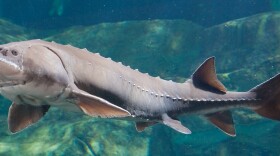 The Center for Biological Diversity is petitioning the federal government to protect lake sturgeon under the Endangered Species Act.The Center's Mark Finc…
 -
 This month, hundreds of spear fishers went to Black Lake in northern Michigan. They competed to catch just six lake sturgeon before the fishing season…
 -
 Michigan’s shortest hunting or fishing season begins, and likely ends, Saturday morning.Starting when the clock strikes 8am, more than 300 ice fishermen…
 -
 Lake sturgeon are a threatened species in Michigan. And there’s one spot in the state where the fish are in particular danger.One group gets together…

© 2024 MICHIGAN PUBLIC
91.7 Ann Arbor/Detroit 104.1 Grand Rapids
91.3 Port Huron 89.7 Lansing 91.1 Flint
Play Live Radio
Next Up:
0:00
0:00
Available On Air Stations


